Graphite vs Aluminium vs Carbon Fibre Tennis Rackets
What's actually different between these materials, who should use each, and what it means for your wallet in the Indian market.
Every tennis racket listing on Amazon.in mentions the frame material — aluminium, graphite, carbon fibre, graphite composite, titanium-graphite blend. For most buyers in India, these terms are confusing. Is graphite the same as carbon fibre? Is aluminium really that bad? Does the material justify a ₹15,000 price difference?
This guide breaks down the material science behind tennis rackets in plain language. We'll compare the three main material categories, explain exactly how they differ in performance, and help you decide which one matches your level and budget. Everything is framed for the Indian market with real prices and locally available examples.
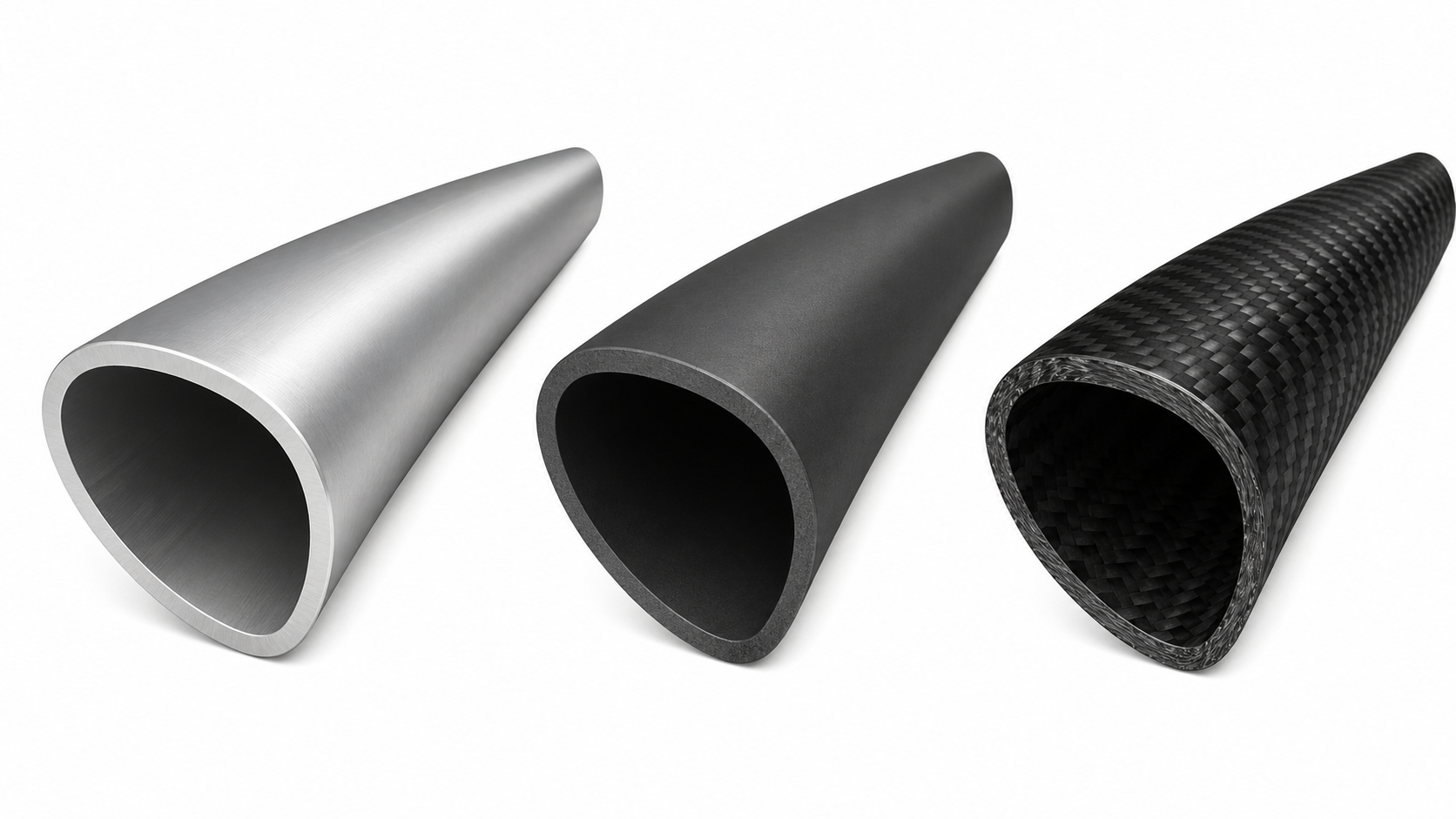
The Material Science — Simplified
Before we compare performance, it helps to understand what these materials actually are:
Aluminium (Aluminum Alloy)
Aluminium rackets are made from extruded aluminium alloy tubes, bent into the racket head shape and welded at the throat. The manufacturing process is simple and cheap, which is why aluminium rackets are the most affordable option.
The key property of aluminium is its ductility — it bends rather than breaks. When an aluminium racket takes a hard impact, it deforms slightly. This makes it durable in the sense that it won't crack, but it also means it absorbs less shock, transmitting more vibration to your hand and arm.
Graphite (Graphite Composite)
Graphite rackets are made by laying sheets of graphite-reinforced polymer (carbon fibres embedded in epoxy resin) into a mould, then curing them under heat and pressure. The result is a hollow frame that's lighter and stiffer than aluminium.
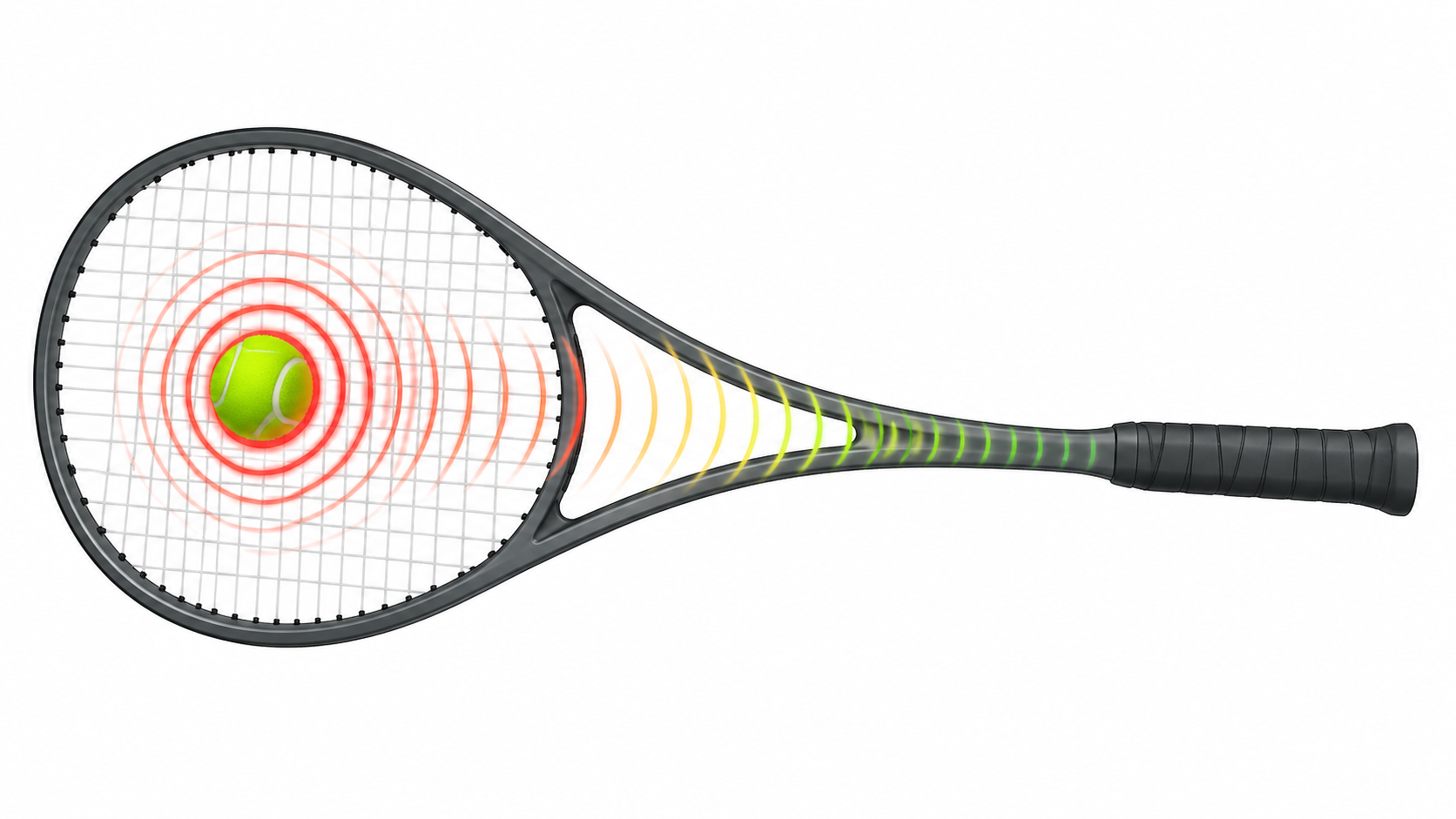
The key property of graphite is its stiffness-to-weight ratio. A graphite frame can be made very light while remaining rigid enough to transfer energy efficiently to the ball. It also dampens vibration naturally, which is why graphite rackets feel more comfortable on impact.
Most rackets labelled "graphite" in India are actually graphite composites — they use graphite as the primary material but may include small amounts of fibreglass, Kevlar, or other materials for specific performance characteristics.
Carbon Fibre (High-Modulus Carbon)
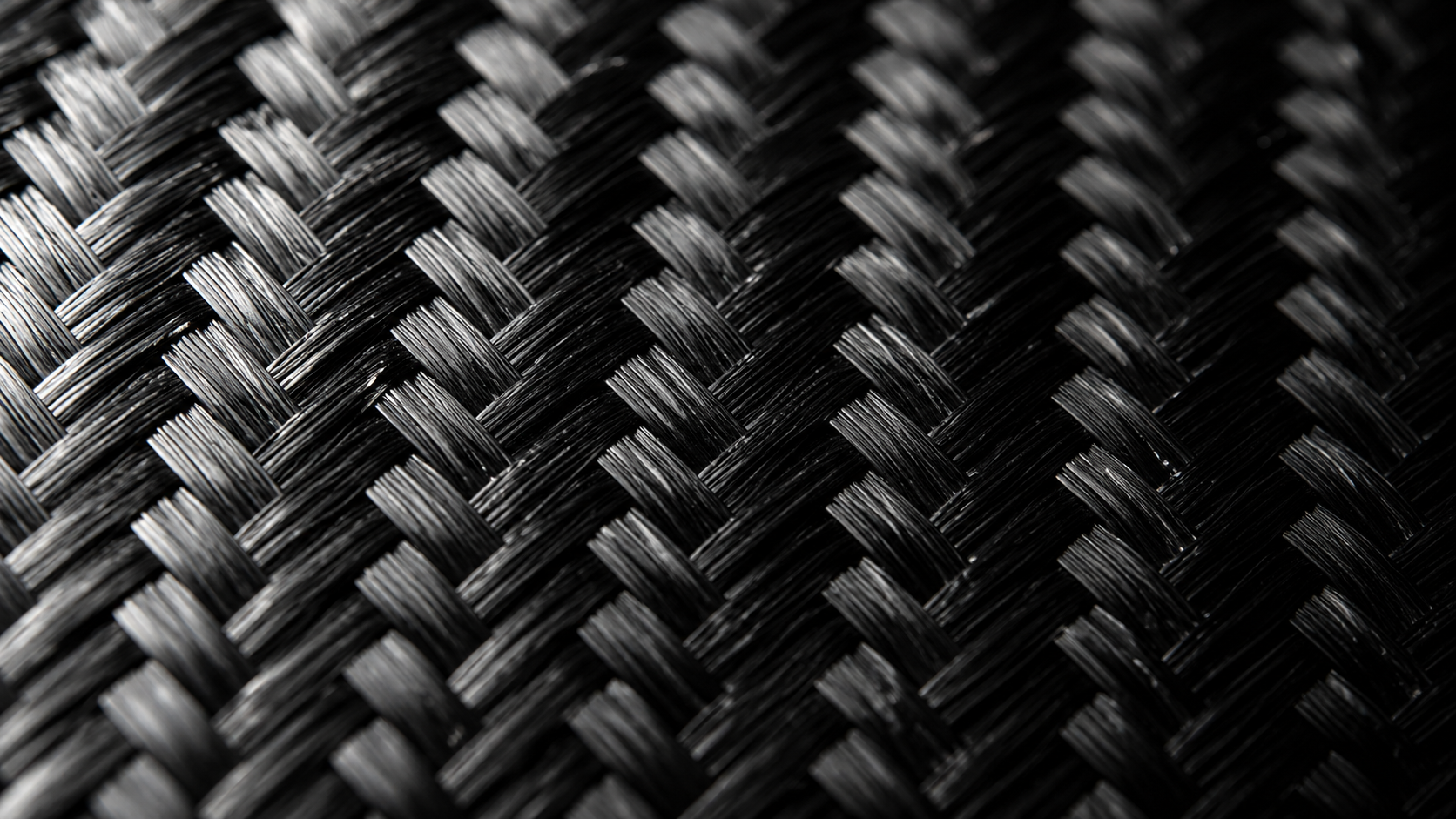
Here's where it gets confusing: carbon fibre and graphite are essentially the same base material — carbon fibres in a polymer matrix. When manufacturers say "carbon fibre," they typically mean a higher-grade carbon with tighter weave patterns, higher modulus (stiffness per unit weight), and more precisely controlled layup.
Premium "carbon fibre" rackets use proprietary manufacturing techniques — Wilson's Countervail, HEAD's Auxetic, Babolat's Cortex Pure Feel — that optimise specific properties like vibration filtering, flex patterns, or torsional stability. These are genuine engineering advances, but the improvements are incremental rather than revolutionary.
Head-to-Head Comparison
Here's how the three materials stack up across the metrics that matter most:
| Property | Aluminium | Graphite | Carbon Fibre (Premium) |
|---|---|---|---|
| Typical Weight | 290–330g | 260–300g | 250–310g |
| Stiffness | Low-Medium | Medium-High | Tunable (Low to Very High) |
| Vibration Dampening | Poor | Good | Excellent |
| Power Transfer | Low | High | Very High |
| Durability | Very High (bends, doesn't crack) | Good (2-5 years regular use) | Good (3-5 years regular use) |
| Price Range (India) | ₹800–₹2,500 | ₹2,500–₹15,000 | ₹12,000–₹30,000+ |
| Best For | Casual players, school use | Beginners to advanced | Advanced, competitive players |
| Arm Friendliness | Poor | Good | Excellent |
Aluminium Rackets — The Full Picture
Pros
- Extremely affordable: ₹800-₹2,500 gets you a playable racket. The Cosco Ace series and similar models are available in virtually every sports shop in India.
- Nearly indestructible: Aluminium bends rather than cracks. Ideal for school tennis programmes, public courts, and situations where rackets take accidental abuse.
- No maintenance concerns: Unlike graphite, you don't need to worry about micro-cracks from dropping the racket or scraping it on hard courts.
- Widely available: Stocked at local sports shops in tier-2 and tier-3 Indian cities where premium brands may not have distribution.
Cons
- Heavy: Most aluminium rackets weigh 290-330g, making them tiring to swing during extended sessions. This extra weight doesn't translate to more power — it just makes you slower.
- High vibration: The metal frame transmits significant impact shock to your wrist and elbow. Playing regularly with an aluminium racket increases tennis elbow risk substantially.
- Poor power transfer: The frame flexes on impact, absorbing energy that should go into the ball. You need to swing much harder to achieve the same ball speed you'd get from graphite.
- Limited technology: No manufacturer invests R&D in aluminium rackets. You get a basic tube frame with no aerodynamic profiling, no vibration dampening systems, and no weight distribution engineering.
- Growth ceiling: You will outgrow an aluminium racket within weeks of regular coaching. It becomes a barrier to technique development.
Graphite Rackets — The Smart Choice
Pros
- Optimal weight range: 260-300g hits the sweet spot for most players — light enough to generate racket head speed, heavy enough for stability on contact.
- Excellent power transfer: The stiff frame deforms less on impact, sending more energy into the ball. You get more pace with less effort.
- Good vibration dampening: Graphite naturally absorbs vibration better than metal, reducing arm fatigue and injury risk.
- Wide price range in India: From ₹2,500 for basic graphite composite (HEAD Titanium Tour Pro) to ₹15,000 for mid-range performance frames (HEAD Speed MP, Wilson Clash). Something for every budget.
- Engineering variety: Graphite can be moulded into aerodynamic beam profiles, variable stiffness zones, and optimised weight distributions. Every major technology from HEAD, Wilson, Babolat, and Yonex is built on a graphite platform.
- Long-term value: A good graphite racket in the ₹5,000-₹10,000 range will serve you from beginner through intermediate level — potentially 2-3 years of regular play.
Cons
- Can crack on impact: Dropping a graphite racket on hard court or hitting the frame against the ground can cause micro-cracks that weaken the structure over time. Handle with reasonable care.
- Higher minimum cost: The cheapest decent graphite racket in India costs ₹2,500-₹3,000 — not accessible for everyone.
- Quality varies widely: Not all graphite is equal. A ₹2,500 graphite composite has a very different feel from a ₹10,000 pure graphite frame. Budget graphite rackets may include significant fibreglass content.
Carbon Fibre (Premium) Rackets — The Performance Tier
Pros
- Superior vibration filtering: Technologies like Wilson's Countervail and HEAD's Auxetic genuinely reduce vibration beyond what standard graphite achieves. If you have arm issues, this matters.
- Tunable flex profiles: Premium carbon fibre allows manufacturers to engineer different flex characteristics in different parts of the frame — stiffer in the throat for power, more flexible at the tip for comfort.
- Lighter weight with more stability: Higher-modulus carbon achieves the same stiffness with less material, allowing for frames that are both light and stable — a combination that standard graphite struggles with.
- Precision feel: Advanced players describe premium carbon frames as more "connected" — you can feel the ball on the strings better, which translates to improved shot-making at high levels.
- Tour pedigree: The exact or very similar frames are used by professional players on tour, which means extensive R&D has gone into their design.
Cons
- Expensive in India: Premium carbon fibre rackets start at ₹12,000 and go up to ₹30,000+. With import duties and limited competition, Indian prices are 20-40% higher than US prices.
- Diminishing returns: The performance difference between a ₹8,000 graphite racket and a ₹20,000 carbon fibre racket is far smaller than the difference between a ₹2,000 aluminium racket and a ₹5,000 graphite one. You pay 2-3x more for maybe a 10-15% improvement.
- Often sold unstrung: Many premium rackets in the ₹15,000+ range come unstrung, adding ₹800-₹2,000 for strings and ₹300-₹500 for stringing. Your total cost is higher than the sticker price.
- Wasted on beginners: The precision engineering of a premium carbon fibre frame requires advanced technique to exploit. A beginner hitting with a ₹25,000 Babolat Pure Aero won't play better than with a ₹5,000 HEAD — their technique is the limiting factor, not the racket.
- Availability in India: Full colour and grip size ranges may not be stocked by Indian retailers. You might need to import or wait for restocks.
Price Implications in the Indian Market
Understanding the Indian pricing landscape helps you make a smarter buying decision:
| Price Bracket | Material | Example Models | Player Level |
|---|---|---|---|
| ₹800–₹2,000 | Aluminium | Cosco Ace, Nivia Pro Drive | Casual / School |
| ₹2,000–₹3,500 | Graphite-Aluminium Composite | Cosco Action 3000, HEAD Titanium Tour | Beginner |
| ₹3,500–₹8,000 | Graphite Composite | HEAD TI S6, Wilson Tour Slam | Beginner–Intermediate |
| ₹8,000–₹15,000 | Full Graphite | HEAD Speed MP, Babolat Boost | Intermediate |
| ₹15,000–₹25,000 | Premium Carbon Fibre | HEAD Radical Pro, Wilson Clash 100 | Intermediate–Advanced |
| ₹25,000+ | Tour-Grade Carbon Fibre | Babolat Pure Aero, Wilson Pro Staff | Advanced / Competitive |
The value sweet spot in India is ₹3,500-₹8,000. At this price point, you get genuine graphite composite frames from reputable brands — a massive upgrade from aluminium in every performance metric, at a fraction of what premium carbon fibre costs.
Indian import duties and GST add 18-28% to the cost of international tennis products. This price inflation hits the premium segment hardest: a racket that costs $150 (roughly ₹12,500) in the US might retail for ₹16,000-₹18,000 in India. Budget and mid-range rackets are less affected because they're often manufactured closer to or within India.
When to Upgrade From Aluminium
If you're currently playing with an aluminium racket, here are the signs it's time to move to graphite:
- You play once a week or more. At this frequency, the comfort and performance benefits of graphite are worth the investment.
- You're taking coaching. A good coach will quickly notice that your racket is holding back your technique. Aluminium rackets are too heavy for proper swing mechanics.
- You feel arm pain after playing. Vibration from aluminium is the most common culprit. Switching to graphite often resolves this immediately.
- You're hitting the ball cleanly but lack pace. If your technique has improved but your shots feel sluggish, the frame material is likely the bottleneck.
- You've been playing for 3+ months consistently. By this point, tennis is clearly a hobby worth investing in. A ₹3,000-₹5,000 graphite racket will transform your playing experience.
Our honest advice: If your budget allows ₹3,000+, skip aluminium entirely and start with graphite. The learning experience is better from day one, and you won't need to buy another racket for 1-2 years. Check our beginner's guide for specific recommendations.
A Note on Titanium Rackets
You'll see many rackets in India labelled "titanium" — especially from HEAD (the Titanium Tour Pro, TI S6, etc.). These are not made of pure titanium. They're graphite composite frames with titanium mesh woven into the layup for added durability and marginal stiffness.
These titanium-graphite composites are excellent value rackets. They play like graphite (because they mostly are graphite) with slightly better impact resistance. In the Indian market, they occupy the ₹2,500-₹6,000 price range and are some of the best options for beginners. Don't confuse them with aluminium — they're a completely different class of racket.
Related Reads
See Our Top-Rated Rackets
We've compared rackets across all three material categories. Find the best options in your budget:
Frequently Asked Questions
Is graphite the same as carbon fibre in tennis rackets?
Technically, graphite is a form of carbon fibre. In the tennis industry, 'graphite' usually refers to standard graphite composite frames, while 'carbon fibre' is a marketing term for premium layups using higher-modulus carbon. The base material is the same — the difference lies in the manufacturing process, weave pattern, and resin quality. For most players, the performance difference is negligible.
Why are aluminium rackets still sold in India?
Aluminium rackets fill the sub-₹2,000 price segment where many casual players shop. They're extremely durable (they don't crack), which matters for school programmes and public courts where rackets take a beating. For someone who plays once a month, an aluminium racket is adequate.
When should I upgrade from an aluminium to a graphite racket?
Upgrade as soon as you decide tennis is a regular activity — even if you're a beginner. If you play once a week or more, the improvement in comfort, power, and vibration reduction is immediately noticeable. Good graphite rackets start at ₹2,500-₹3,000 in India.
Are carbon fibre rackets worth the extra cost for intermediate players?
For most intermediate players in India, a standard graphite racket in the ₹5,000-₹15,000 range offers everything you need. Premium carbon fibre rackets (₹15,000+) provide marginal gains in stiffness and weight distribution that only advanced players with refined technique can exploit. Invest in coaching and string quality before upgrading your frame material.
Do aluminium rackets cause tennis elbow?
Aluminium transmits significantly more vibration to the arm than graphite, which increases the risk of tennis elbow (lateral epicondylitis) over time. If you already have elbow issues, switching to a graphite racket with a vibration dampener can provide immediate relief.
What about titanium tennis rackets sold in India?
Titanium rackets (like the HEAD Titanium series) are actually graphite-titanium composites. They use a small amount of titanium mesh woven into the graphite to add durability and slight stiffness without much weight penalty. These are excellent budget rackets and not to be confused with pure metal frames.
Can I tell what material a racket is made from by looking at it?
Generally, yes. Aluminium frames have visible weld joints and a shinier, metallic finish. Graphite and carbon fibre frames have a matte or semi-gloss painted finish with no visible joints. The material is also printed on the frame or listed in the product specs. When buying on Amazon.in, check the 'Frame Material' specification.
How long does each type of racket last?
Aluminium rackets can last 10+ years as they bend rather than crack. Graphite rackets typically last 2-5 years of regular play before micro-cracks reduce performance (though they may still be playable). Premium carbon fibre rackets last similarly to graphite — 3-5 years of regular use.